
Same glass, different words
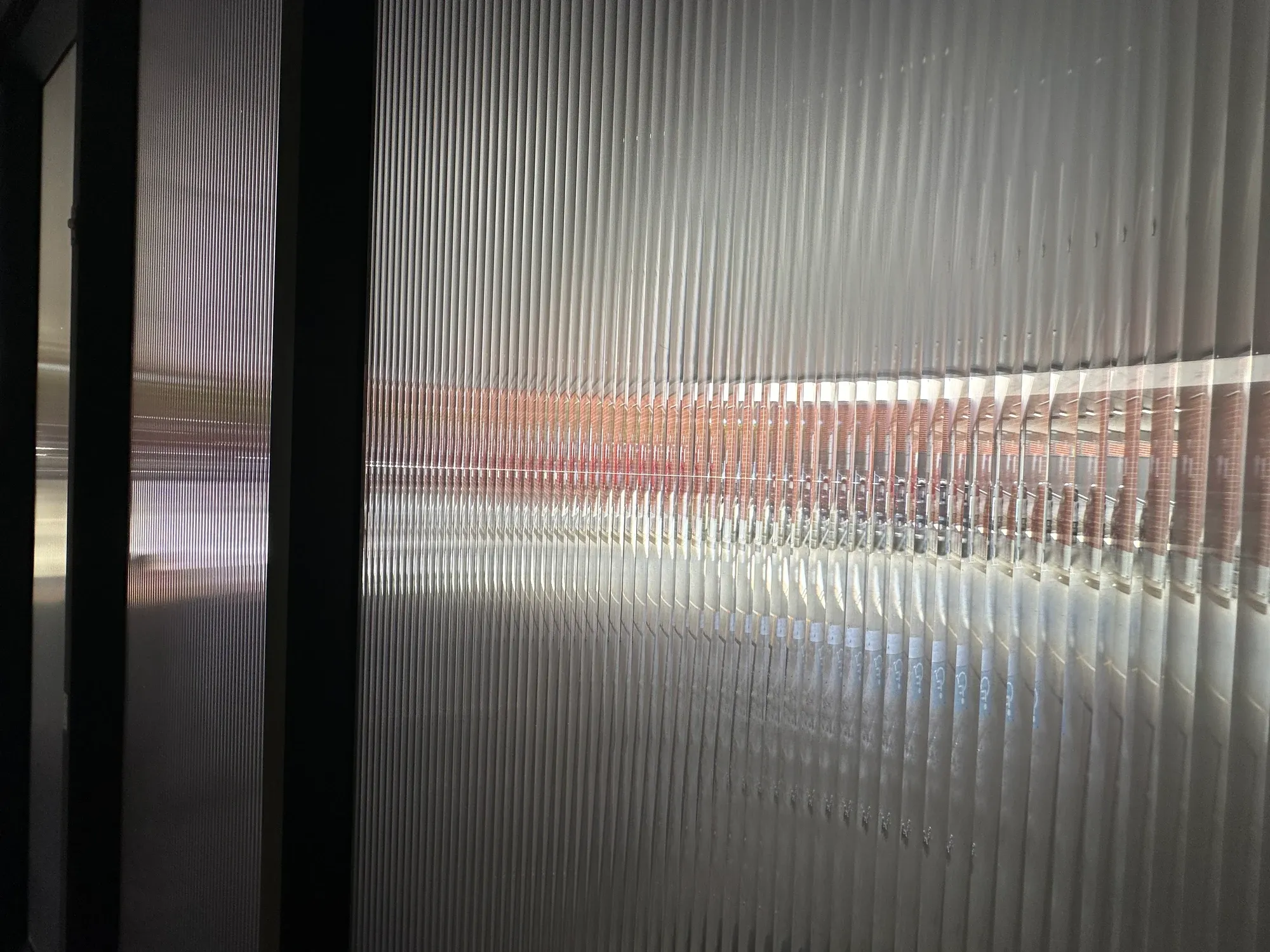
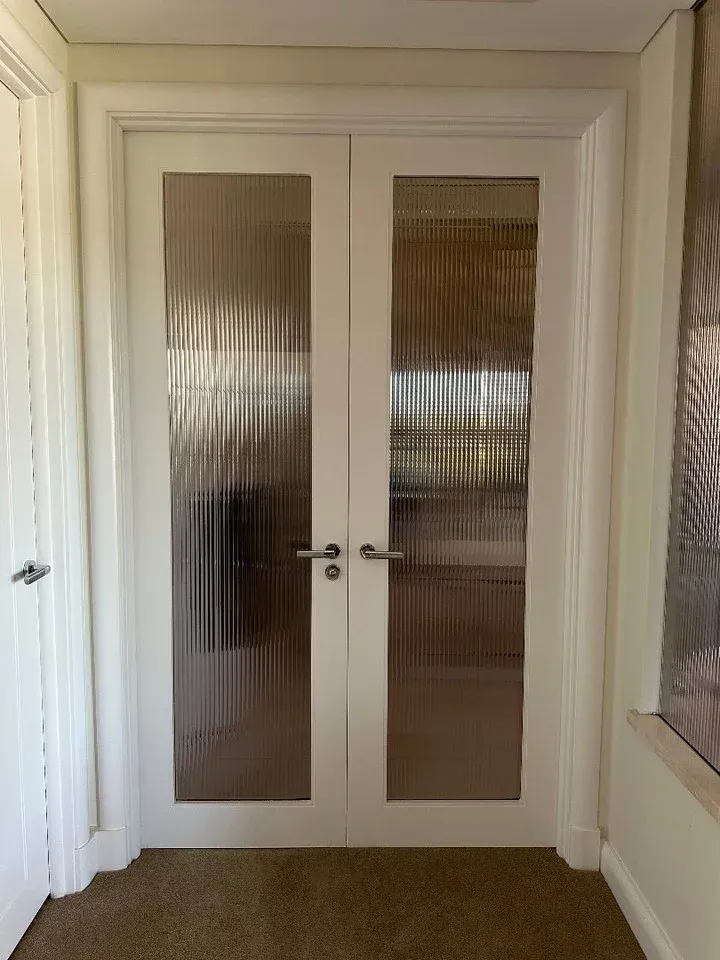
Reeded glass, fluted glass and ribbed glass all describe a pane with parallel ribs running across its face. The names are used interchangeably by glaziers, designers and suppliers, and searches for all three land on the same products.
Where a distinction is drawn, it is usually this: reeded glass has rounded, convex ribs, like a row of reeds laid side by side, while fluted glass has concave grooves, like the flutes on a column. In practice most decorative glass sold as either has rounded ribs, and the word a supplier uses tells you more about their catalogue than about the glass.
What matters more than the name
Three things change how the glass looks and how much it hides.
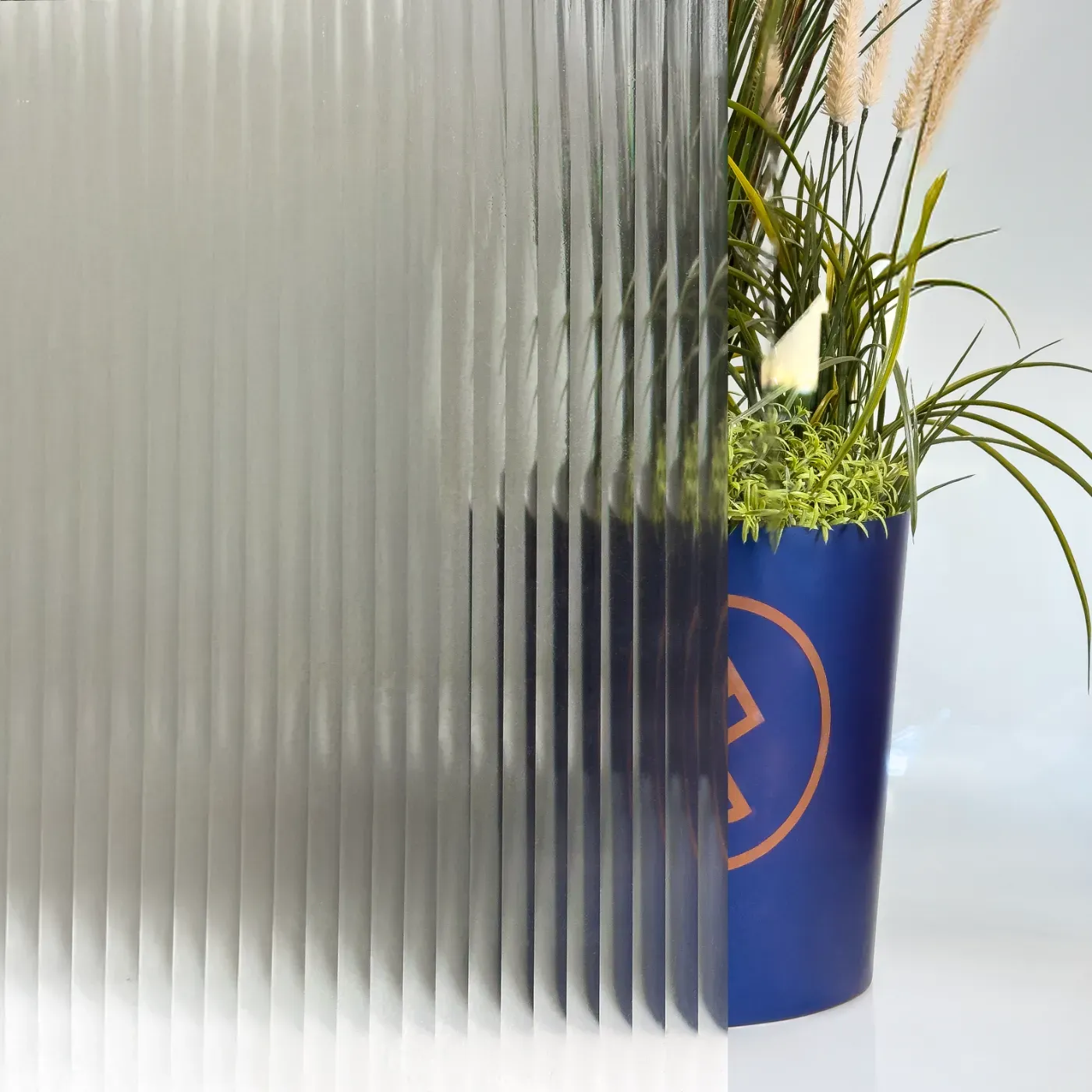
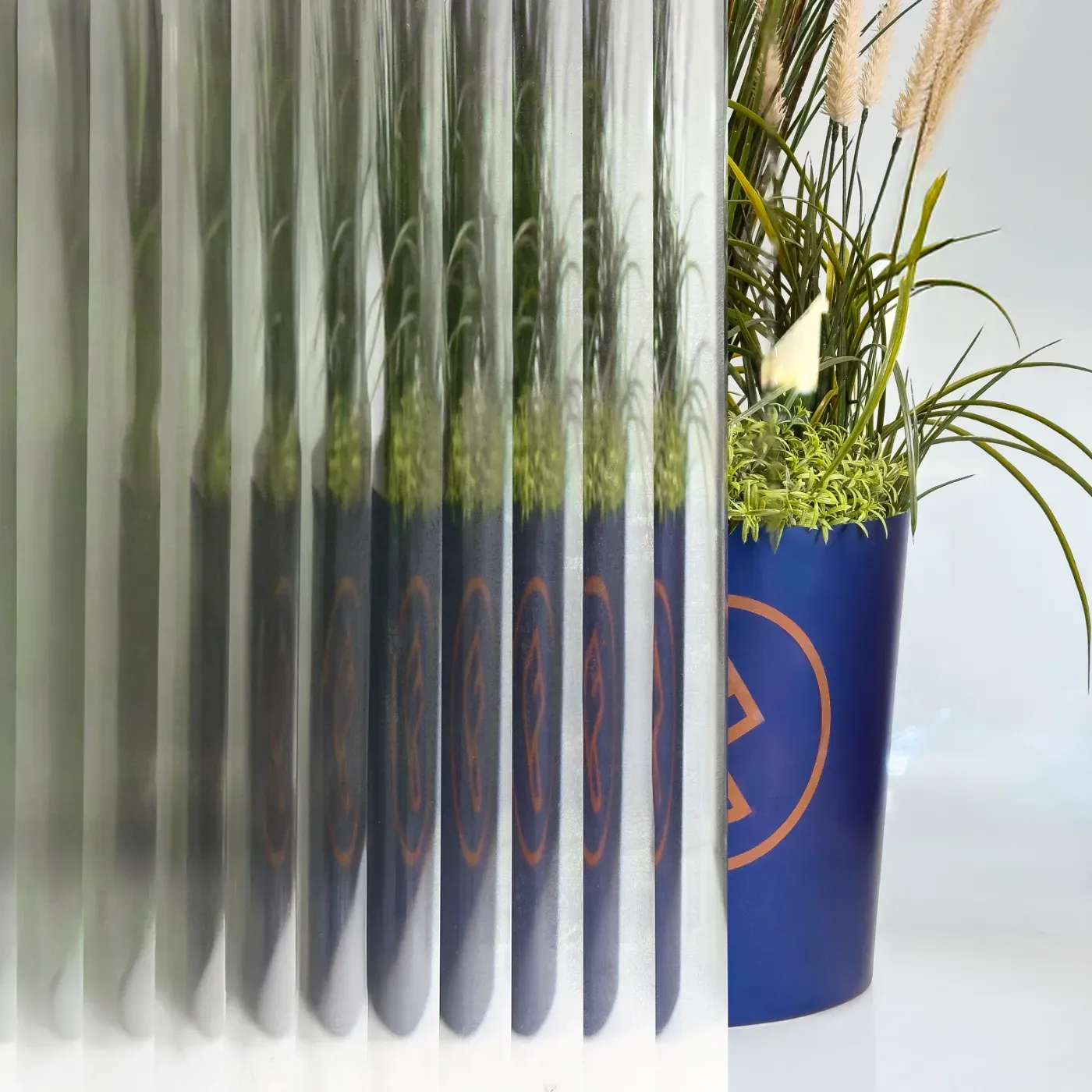
Rib width. A narrow rib breaks the view into more bands and hides more at close range. A wide rib reads as a bolder texture from across a room. Refraxion film runs from a 6 mm rib to a 25 mm rib.
Clear or frosted. Clear ribs keep the glass looking like glass and let colour and light through. Frosted ribs add a diffused tone and more privacy.
Which side faces out. Ribs on the room side catch light differently to ribs on the far side. With film you choose by choosing which face of the glass to apply it to.
The film version
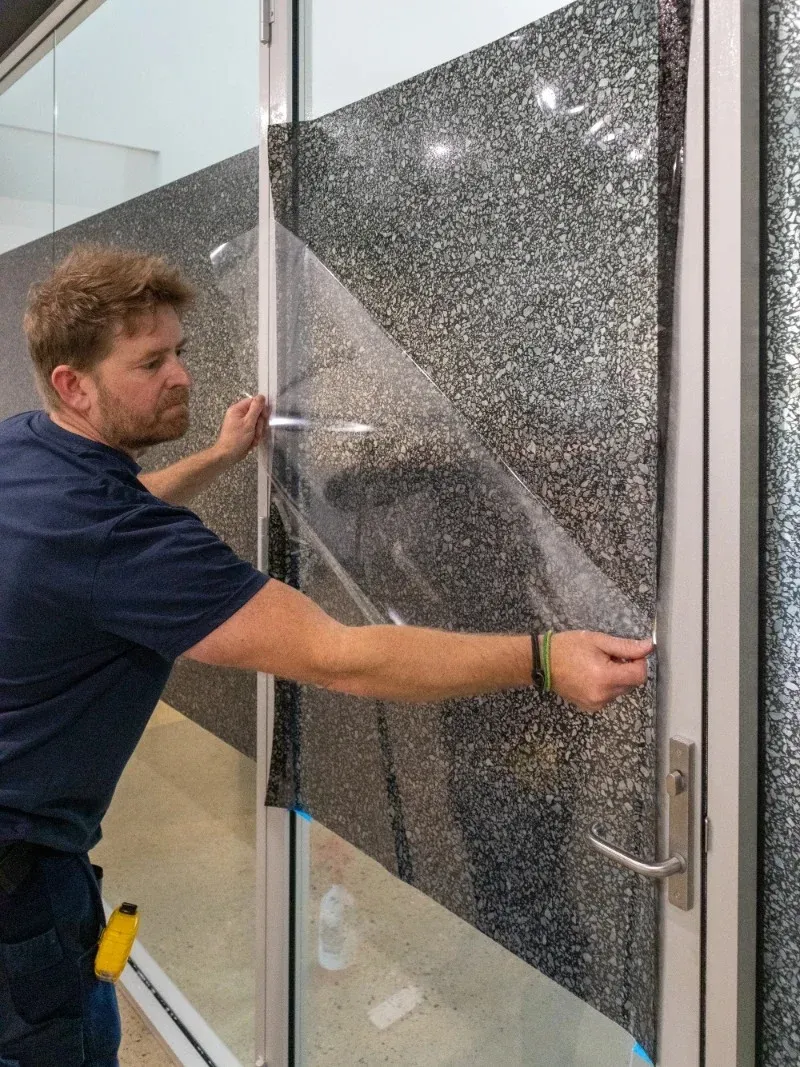
Reeded glass film carries the ribbed texture on an adhesive-backed film applied to flat glass. It gives the reeded or fluted look on glass that is already in place: a shower screen, a front door, a partition, a cabinet door. The pane stays, the look changes, and the film comes off cleanly later.
If you are choosing between two rib widths, order both as samples and hold them on your own glass. The rib widths page lists every width we make.